Geology
Unlocking Earth’s Treasures Through Science, Sustainability & Education

Geology is the science that explores the Earth — its materials, structures, processes, and history — revealing the story of our planet over billions of years. At Geo Treasures Nexus, we approach geology as an interdisciplinary field that connects natural history, resource management, environmental sustainability, and academic research.
Rocks, Minerals & Fossils – The Building Blocks of Earth
The study of rocks, minerals, and fossils provides the foundation for understanding Earth’s composition, history, and dynamic processes:
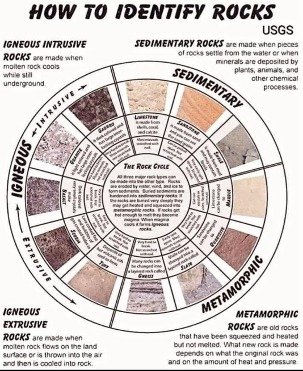
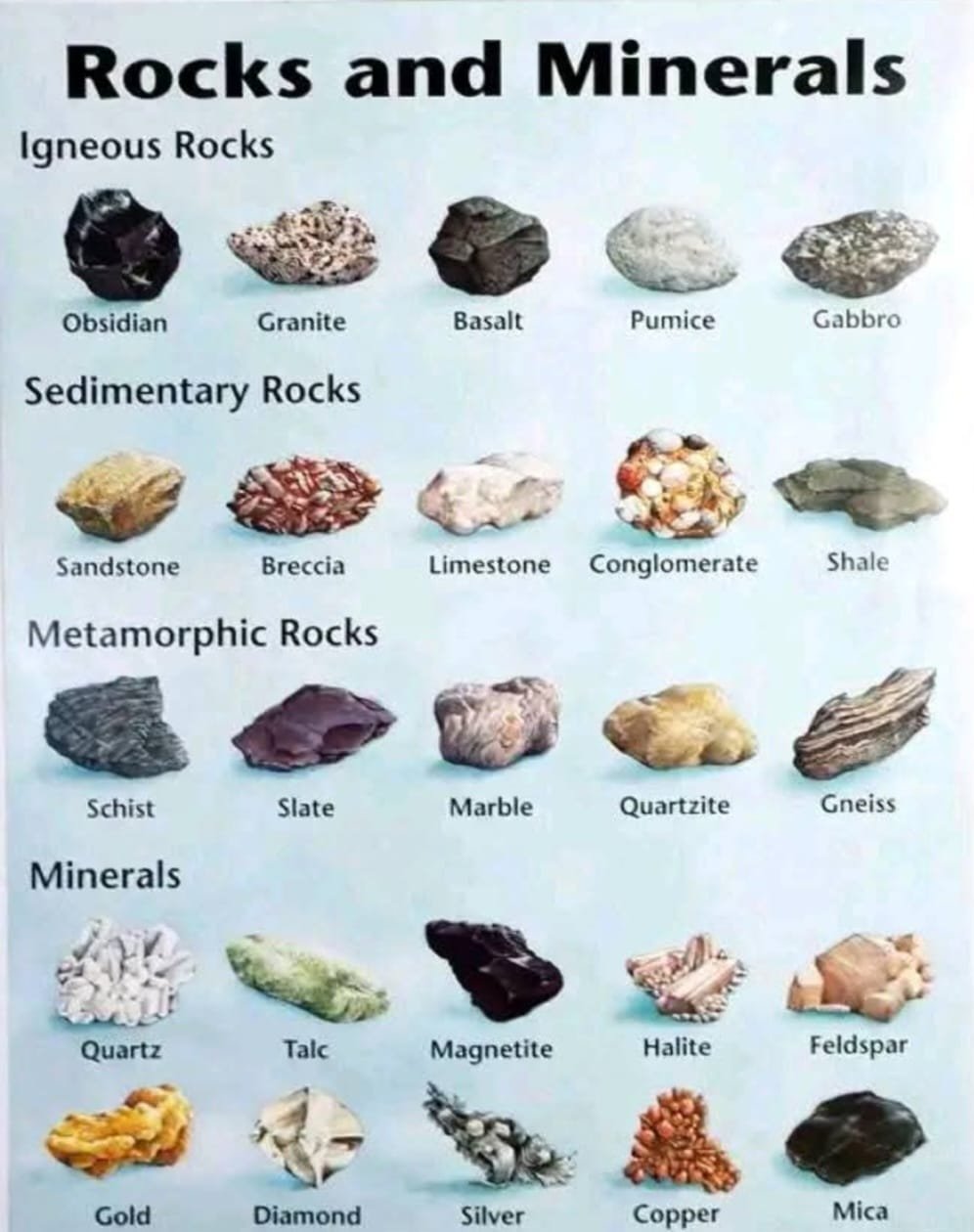
• Rocks: Classified as igneous, sedimentary, and metamorphic, rocks tell the story of Earth’s formation, tectonic activity, and surface evolution.
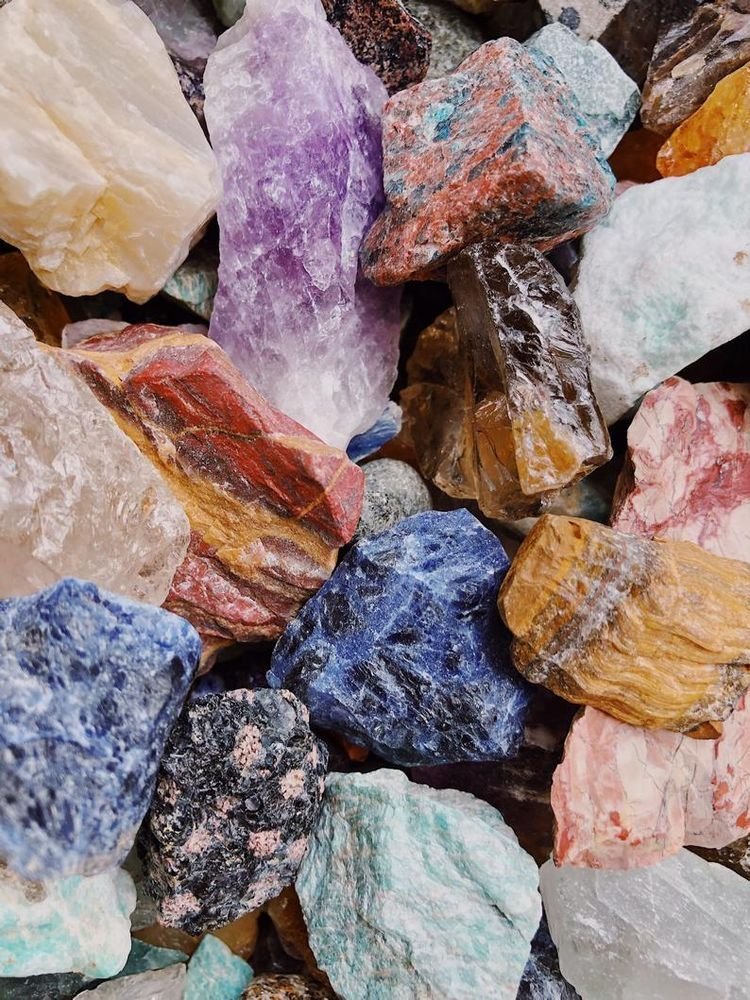
• Minerals: From common quartz and feldspar to rare geodes and crystals, minerals record the chemical, thermal, and physical conditions under which they formed.
• Fossils: Remnants of ancient life preserved in sedimentary rocks provide invaluable insights into evolution, paleoecosystems, and past climates.
By examining these building blocks, geologists can reconstruct Earth’s past, guide exploration of resources, and provide critical data for research and education.
Geology: Understanding Earth, Rocks, Minerals, and Resources
Geology is the scientific study of the Earth, its materials, structure, and the dynamic processes shaping it over millions of years. It explores rocks, minerals, gemstones, soils, and landforms, providing critical insights for mining, environmental management, construction, and scientific research. Geology bridges natural science with practical applications, revealing both the history and potential of our planet.
Definition
Geology is the study of the Earth’s solid components, the processes that create and modify them, and the historical and ongoing evolution of the planet. It combines physics, chemistry, biology, and mathematics to explain phenomena like rock formation, mineral distribution, earthquakes, and volcanic activity.
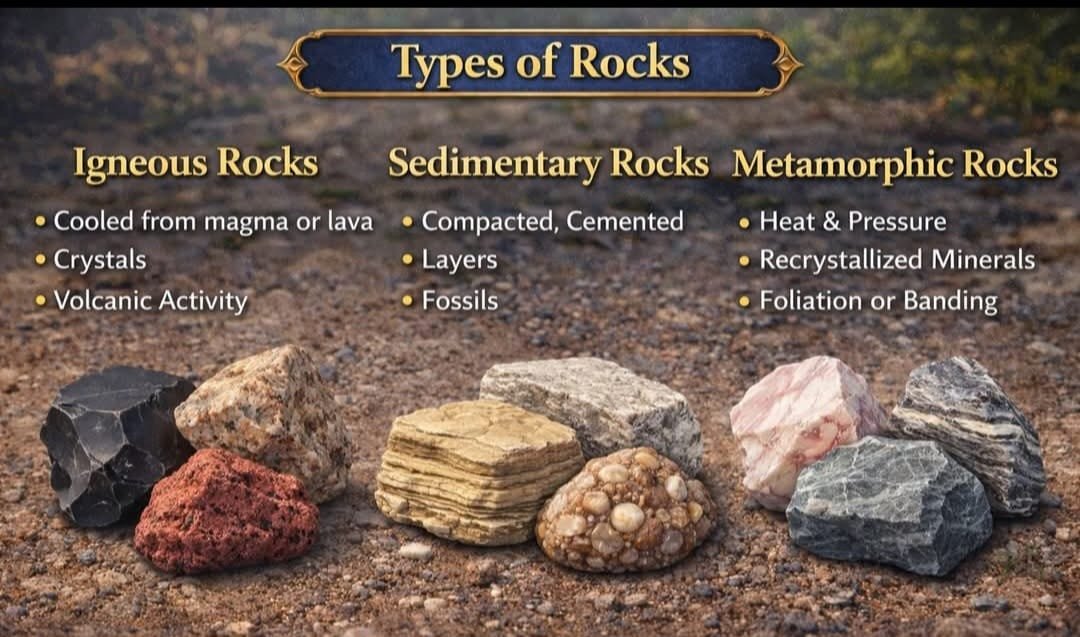
Types of Rocks
Rocks are naturally occurring solid aggregates classified based on their formation process:
1. Igneous Rocks – Formed from cooled magma or lava (e.g., granite, basalt).
2. Sedimentary Rocks – Formed by deposition and lithification of sediments (e.g., sandstone, limestone).
3. Metamorphic Rocks – Formed by transformation of existing rocks under heat, pressure, or chemical activity (e.g., marble, slate).
Rock Cycle
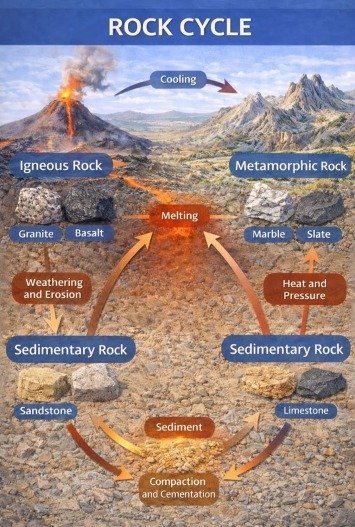
The rock cycle describes how rocks continuously transform from one type to another:
• Magma cools → Igneous rocks.
• Weathering & erosion → sediments → Sedimentary rocks.
• Heat & pressure → Metamorphic rocks.
• Melting → magma, restarting the cycle.
This cycle illustrates Earth’s dynamic processes and helps geologists predict rock occurrences, mineral resources, and geological hazards.
Minerals, Gemstones & Birthstones
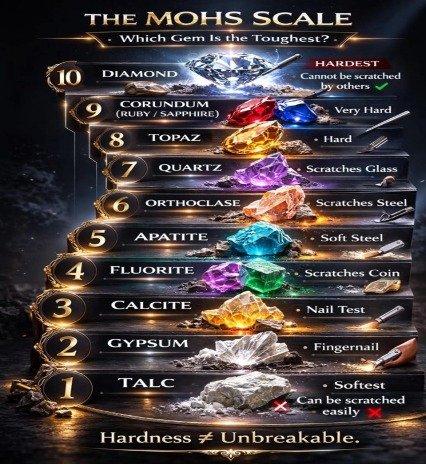
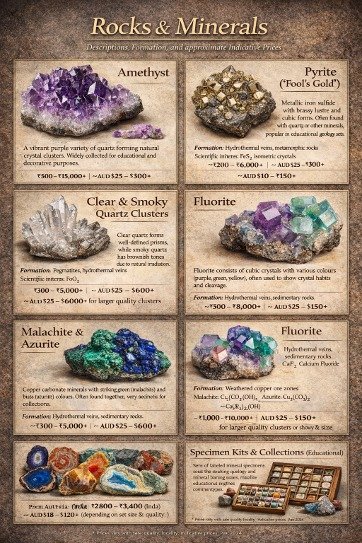
• Minerals – Naturally occurring, inorganic solids with specific chemical composition and structure (e.g., quartz, feldspar).
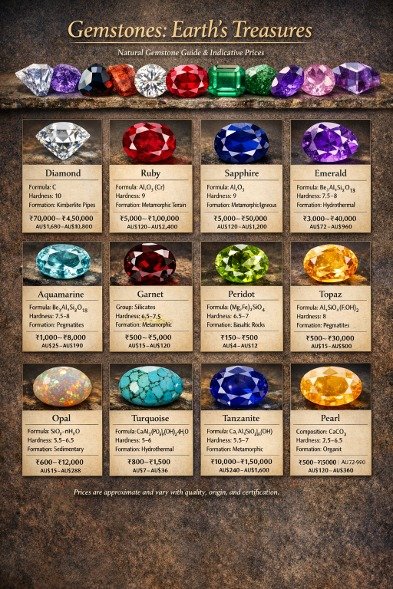
• Gemstones – Rare and visually appealing minerals prized for jewelry (e.g., sapphire, ruby, emerald).
• Birthstones – Culturally significant gemstones associated with months or zodiac signs.
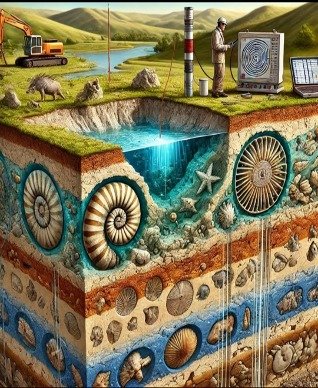
• Fossils are preserved remains or traces of ancient life embedded in rocks. They provide insight into past life forms, climates, and ecosystems. Fossils help geologists date rock layers and understand Earth’s evolutionary history.
Methods in Geology
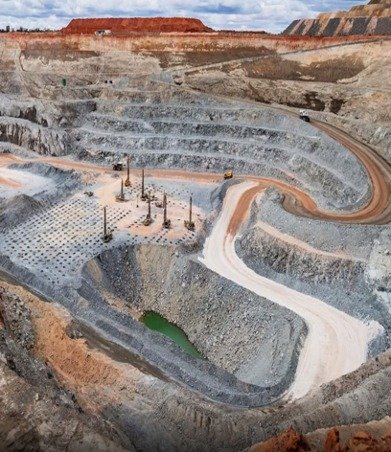
Drilling & Blasting
• Drilling – Extracts rock cores and samples for subsurface analysis, helping identify mineral deposits and structural features.
• Blasting – Controlled detonation of explosives to fragment rock for mining or construction, ensuring safety and efficiency.
Use of Geology in Mining
Geology is fundamental to mining operations:
• Mapping ore deposits and assessing rock stability.
• Guiding drilling, blasting, and extraction methods.
• Predicting environmental and operational challenges.
• Supporting resource estimation, mine planning, and sustainable practices.
Geological Problems & Solutions
Mining and exploration face several geological challenges:
• Rock instability & landslides – Mitigated by slope stabilization, reinforcement, and geotechnical studies.
• Water ingress & flooding – Controlled through dewatering and drainage systems.
• Resource uncertainty – Addressed via geophysical surveys, modeling, and sampling.
• Environmental impact – Reduced through sustainable mining, reclamation, and monitoring programs.
By integrating the study of rocks, minerals, and Earth processes with technology and sustainability, geology unlocks natural wealth while preserving the environment. At Geo Treasures Nexus, we showcase how geology connects science, exploration, and responsible resource use.
Why Explore Geology with Geo Treasures Nexus?
Geo Treasures Nexus bridges discovery, research, and application:
• Curated collections of rocks, minerals, and fossils for display, research, and education.
• Insights into earthquakes, geological processes, and resource distribution.
• Guidance on mining solutions and sustainable environmental practices.
• Academic support for universities and research institutions, connecting theory with practice.
• Exploration of geological heritage sites for research, education, and conservation.
Geology at Geo Treasures Nexus is more than a study of Earth – it is a journey through time, resources, and sustainability, empowering students, researchers, and enthusiasts to unlock Earth’s treasures responsibly.
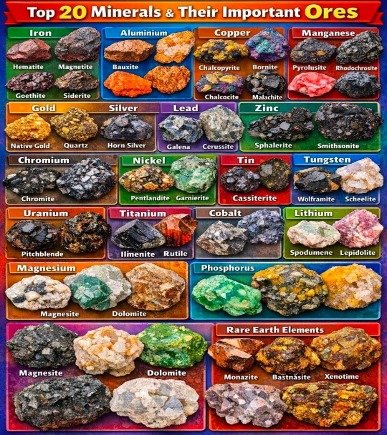
Common Types of Minerals
Minerals are essential natural resources that support industrial development, construction, agriculture, and modern technology. Below are some of the most commonly found and widely used minerals.
Geological Processes – Shaping Landscapes and Resources
Earth’s dynamic processes influence landscapes, resource distribution, and environmental systems:
- Volcanism & Erosion: Volcanoes build landforms, while erosion shapes valleys, rivers, and sedimentary deposits.
- Sedimentation & Stratigraphy: Sedimentary layers record Earth’s history and guide resource exploration.
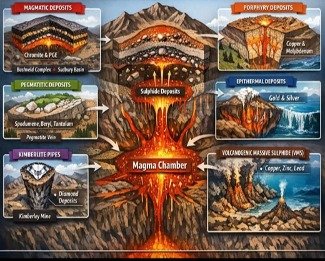
- Metamorphism & Mineral Formation: Heat, pressure, and fluids alter rocks and create valuable mineral deposits.
Understanding these processes allows for the integration of geology into mining, environmental solutions, and academic research.
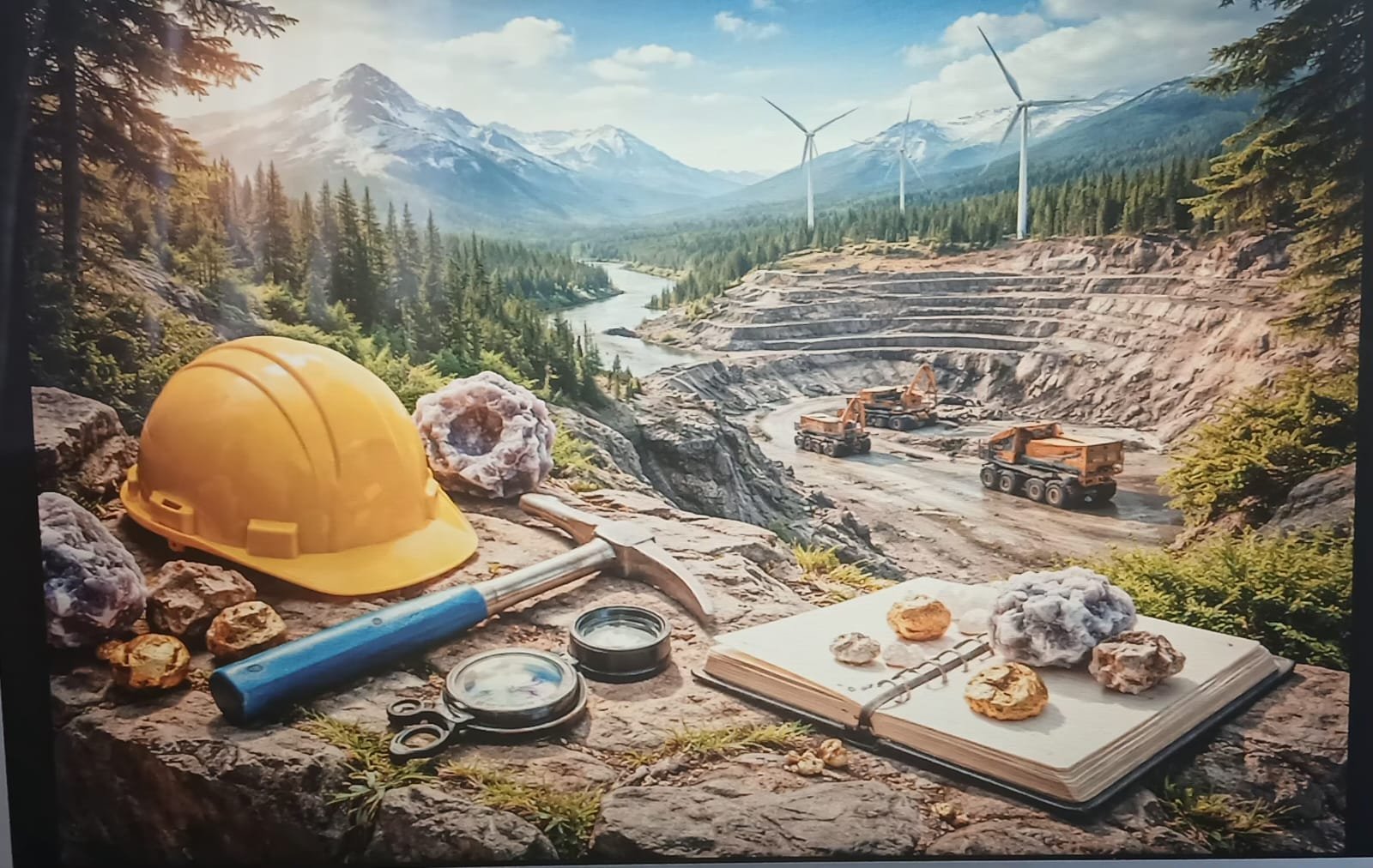
Mining Solutions – Applied Geology
Geology is the foundation of safe, efficient, and sustainable mining practices:
- Resource Exploration: Mapping ore deposits, evaluating mineral potential, and identifying economically viable sites.
- Sustainable Extraction: Minimizing environmental footprint and ensuring worker safety.
- Mine Planning & Optimization: Leveraging geological knowledge with technology for efficient, long-term operations.
Applied geology transforms scientific understanding into real-world solutions that supply essential minerals and materials while maintaining safety and sustainability.
Environmental Solutions – Protecting Earth
By integrating geology into environmental solutions, Geo Treasures Nexus promotes responsible resource use while safeguarding Earth’s ecosystems.
Geological expertise is essential for environmental stewardship:
- Environmental Impact Assessment (EIA): Predicting and mitigating the ecological effects of mining, construction, and industrial projects.
- Land Rehabilitation & Mine Closure: Restoring ecosystems, soil health, and biodiversity post-mining.
- Water & Waste Management: Safeguarding groundwater, managing waste, and preventing contamination.
Academic & University Support – Bridging Research and Education
Geology is a living science, thriving at the intersection of research, education, and field exploration. Geo Treasures Nexus supports academic collaboration and knowledge-sharing:
- Research Collaboration: Supporting studies in mineralogy, petrology, stratigraphy, paleontology, and environmental geology.
- Field Training & Internships: Hands-on experience in mining geology, environmental assessment, and resource exploration.
- Educational Resources: Curated collections, case studies, and reference materials for universities and research institutions.
- Seminars & Workshops: Connecting students, researchers, and industry experts to promote applied geoscience knowledge.
This partnership between academia and applied geology strengthens research, enhances learning, and equips students with practical skills.
Geological Heritage – Preserving Earth’s Legacy
Earth’s geological formations are both scientific treasures and cultural heritage:
• Iconic Indian Sites: Deccan Traps, Kutch rocks, and Rajasthan fossil beds provide a deep record of Earth’s history and mineral wealth.
• Global Geological Wonders: From the Grand Canyon to the Alps, natural formations inspire research, education, and conservation.
• Conservation & Education: Geo Treasures Nexus highlights these sites to promote scientific study, sustainable tourism, and awareness.
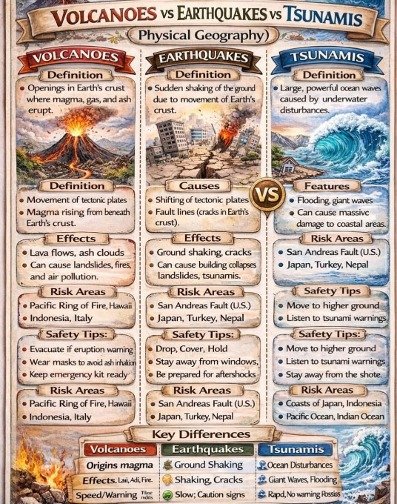
Earthquakes – Understanding Planetary Forces
Earthquakes are one of the most dramatic expressions of Earth’s dynamic nature. Studying seismic activity is crucial for disaster preparedness, urban planning, and safe mining operations:
• Tectonic Movements: Plate interactions cause earthquakes, faulting, and mountain-building events.
• Seismic Risk Assessment: Geologists identify earthquake-prone areas and guide structural and urban planning.
• Connection with Mining: Understanding stress accumulation and seismicity improves safety in mines and underground projects.
Seismic map or infographic showing tectonic plates and earthquake zones.