Month: February 2026
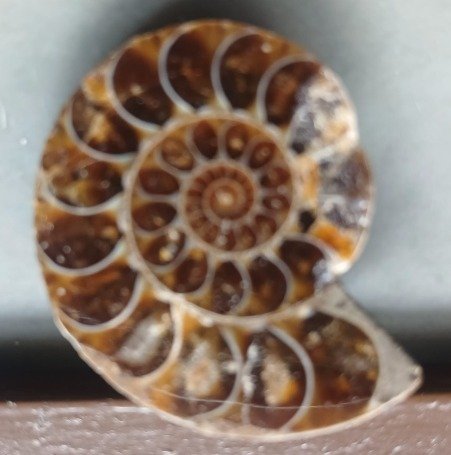
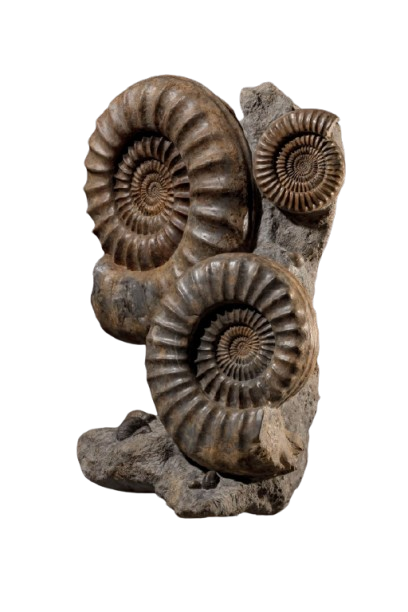
AMMONITES Fossil
Category: Fossil – CephalopodGeological Age: Mesozoic Era (Approx. 240–65 million years ago)Scientific Classification: Class Cephalopoda, Order AmmonitidaDescription:Ammonites are extinct marine mollusks with coiled shells, closely related to modern squids and octopuses. This polished specimen reveals detailed internal chamber structures, prized for research and decorative purposes.Geological Occurrence:• Common in Mesozoic sedimentary rocks worldwide.• Notable localities: Kutch,
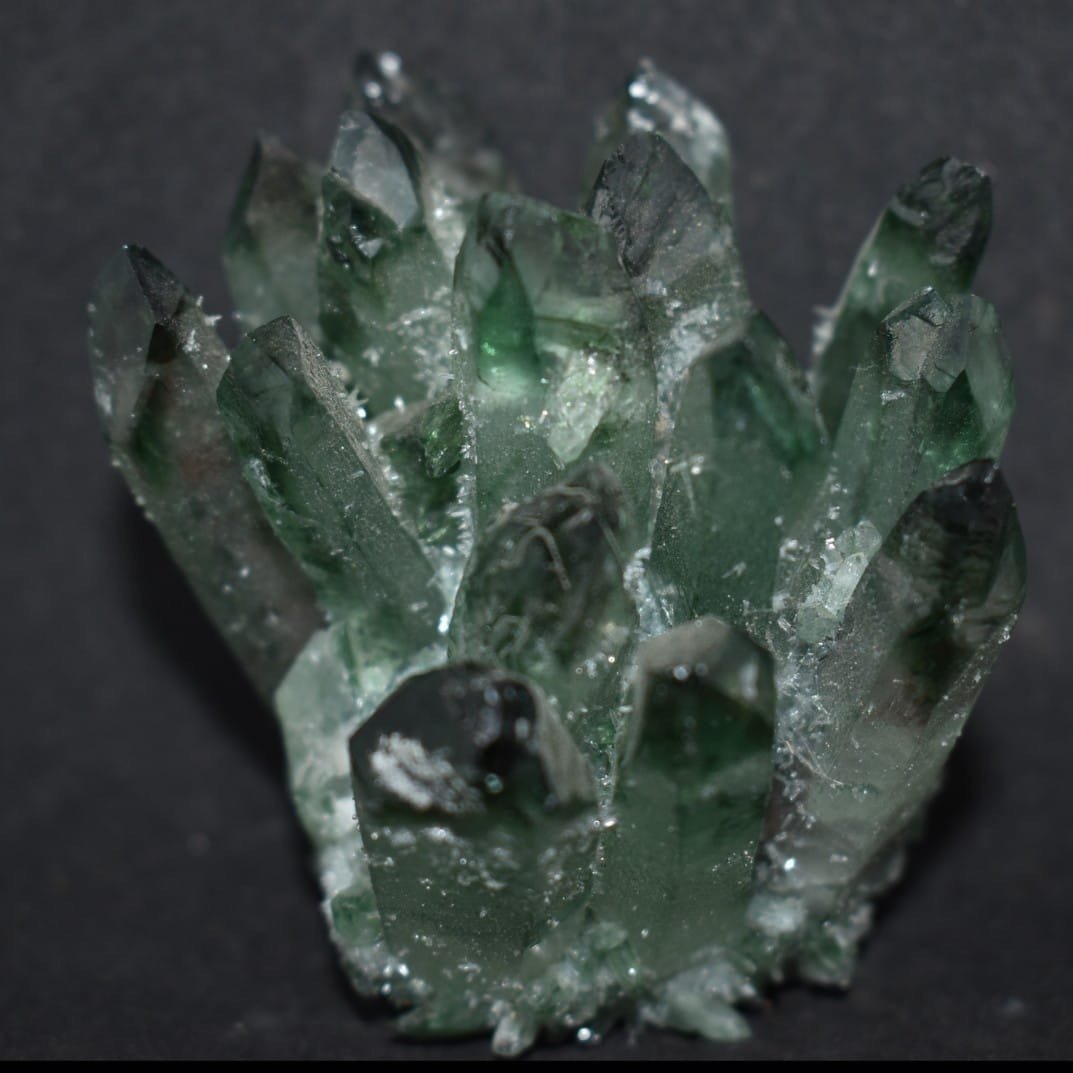
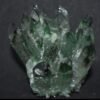
Green Phantom Quartz Cluster
Type: Quartz (SiO₂) with Chlorite InclusionsDescription:This cluster exhibits sharp, prismatic quartz crystals with green phantom inclusions caused by chlorite. Each crystal displays internal growth layers, giving a striking “phantom” effect. Specimens like this are prized for both their aesthetic and metaphysical qualities.Uses:• Decorative and collector specimen• Study of mineral inclusions and growth patterns• Metaphysical applications:

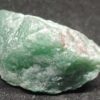
GREEN AVENTURINE (Quartz)
Specimen Name : GREEN AVENTURINE (Quartz).Chemical Formula: SiO₂ | Hardness: Mohs 6.5–7A green variety of quartz coloured by fuchsite mica inclusions, exhibiting a granular texture and vitreous lustre. It commonly forms in metamorphic rocks and quartz veins.Occurrence: India (Rajasthan, Karnataka), Brazil, Russia, AustraliaUses:
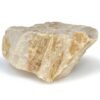
Basalt Hand Specimen
🪨 Rock Specimens – For Sale Basalt Hand Specimen Rock Type: Igneous (Extrusive) Geological Age: Deccan Traps – Late Cretaceous Locality: Gujarat, India Size: 9 × 6 cm Condition: Fresh fracture surface Description: A classic basalt specimen formed from rapid cooling of lava flows. The fine-grained texture and dark mineralogy make it ideal for teaching